
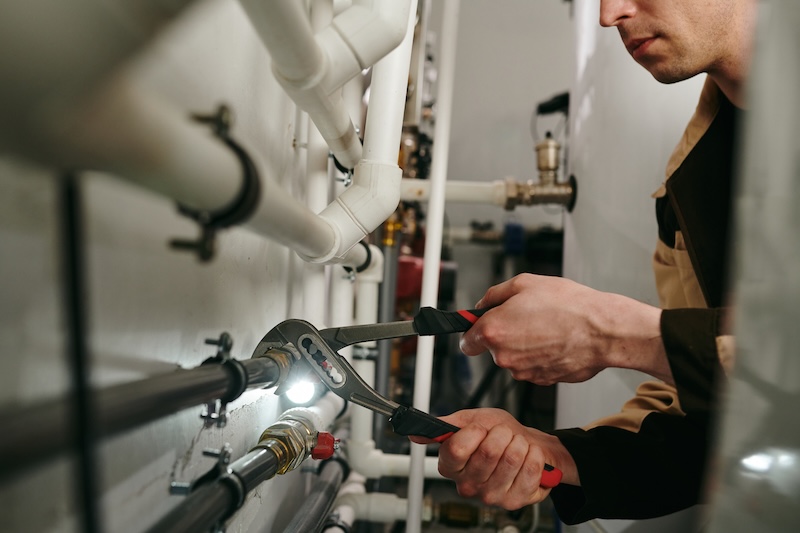
Pittsburgh, PA, arrive with cracked knuckles and ice on the windshield, turning the Steel City’s hills into something closer to a luge track. And while most homeowners are thinking about snow tires and space heaters, the real threat in October is hiding behind your walls, under your floors and inside your water heater tank. Scheduling a plumbing inspection in Pittsburgh, PA, before the freeze is the kind of decision you feel good about come February.
What Pittsburgh’s Cold Does to Your Pipes
The Pittsburgh metro sits in a freeze-thaw cycle that’s particularly punishing on plumbing. Temperatures routinely swing from the mid-40s to the teens between October and March, and that repeated expansion and contraction weakens pipe joints, accelerates corrosion, and stresses older copper and galvanized lines.
Homes in neighborhoods like Squirrel Hill or Mount Washington, many built in the early 1900s, carry plumbing that’s been through decades of Pittsburgh winters. A professional inspection identifies hairline cracks and weak joints before they become burst pipes at 2 A.M. in January.
- Freeze-thaw cycles weaken older pipe joints over time.
- Copper and galvanized lines corrode faster in cold conditions.
- Early inspections catch stress fractures before they burst.
Are Your Drains Warning You?
Slow drains in autumn aren’t a plumbing quirk. They’re a signal. Grease, sediment, and debris accumulate in drain lines year-round, and cold temperatures cause that buildup to harden.
According to the American Society of Home Inspectors, drain issues are among the top five problems found during professional inspections. A clogged or partially blocked drain can back up entirely when temperatures drop and usage increases during holiday gatherings. A camera inspection of your drain lines removes the guesswork entirely.
- Cold temps harden grease and sediment inside drain lines.
- Drain issues rank among the most common inspection findings.
- Camera inspections identify blockages without opening walls.
Your Water Heater Is Working Overtime This Season
Here’s a number worth knowing: water heaters account for roughly 18% of home energy use, according to the U.S. Department of Energy. In winter, that percentage climbs because groundwater temperatures drop significantly, forcing your water heater to work harder to reach the same output.
Sediment buildup inside the tank, a common issue in Pittsburgh’s water supply, reduces efficiency and shortens lifespan. A water heater inspection checks the anode rod, thermostat calibration, pressure relief valve and tank condition, all of which directly affect performance when demand peaks in the coldest months.
- Cold groundwater forces water heaters to work significantly harder.
- Sediment buildup cuts efficiency and accelerates tank wear.
- Anode rod and valve checks extend your water heater’s life.
Book Your Pre-Winter Plumbing Inspection in Pittsburgh, PA
Don’t let Pittsburgh’s winter write the ending to a plumbing problem you could have caught in October. Schedule your plumbing inspection in Pittsburgh, PA, with Woodruff and Smith Heating and Cooling, Inc. today.
Image provided by iStock